What is High Tack used for?
High Tack is an assembly adhesive with high initial tack strength, making it particularly easy to secure heavy materials. Its instant adhesion to the surface allows for a solid assembly without the need for additional support. Therefore, it has become a frequently preferred product by both professional craftsmen and individual users.
Why is High Tack So Popular?
Many assembly processes today require quick results. A strong initial adhesion performance is crucial when fixing heavy panels, metal profiles, or decorative structural elements. This is where High Tack comes in, providing a strong bond the moment it contacts the surface. Moreover, during this bonding process, supporting tape, screws, or other fasteners are often unnecessary.
Furthermore, the product's flexible structure allows it to adapt to surface movements even after drying, ensuring long-lasting durability. All these features make it a highly functional assembly solution.
In which fields is High Tack used?
High Tack has a very wide range of applications. It can be used in many areas, from decorative applications in interior spaces to heavy-duty assembly work in exterior spaces requiring high strength.
1. Securing Heavy Panels
Decorative wall panels, composite cladding, and wood paneling are often heavy materials. High Tack ensures easy fastening of these types of materials thanks to its high gripping strength.
2. Assembly of Metal and Wooden Profiles
Door frames, baseboards, wooden strips, and metal profiles require quick and secure installation. High Tack delivers successful results in such applications.
3. Natural Stone and Ceramic Applications
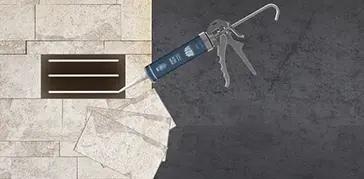
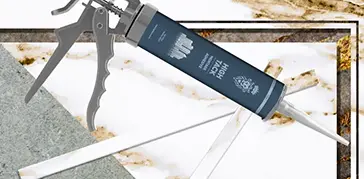
Surfaces such as natural stone, granite, and ceramic require strong adhesives due to their high weight. High Tack provides secure mounting on these types of surfaces.
4. Advertising and Signage Applications
Durable adhesives are preferred when installing elements such as billboards, directional signs, and signage. High Tack is a highly effective solution for these applications as well.
5. Installation in Humid Environments
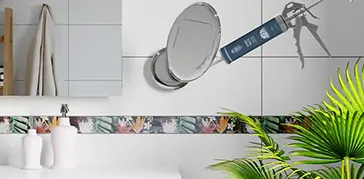
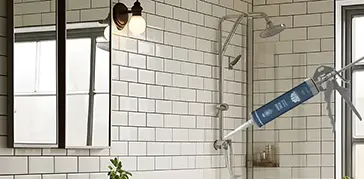
In damp areas like bathrooms and kitchens, durability is crucial for construction chemicals. High Tack demonstrates strong performance in many situations, even in humid environments.
Advantages of High Tack
The advantages offered by using High Tack are the key factors that distinguish it from other classic assembly adhesives.
- High initial adhesion: No extra support is needed to secure the material to the surface.
- Flexible structure: Once dry, it provides resistance to minor impacts and surface movements.
- Water resistance: Offers long-lasting use in both indoor and outdoor applications.
- Paintable: Can be painted with water-based paints after drying.
- Odorless options are available: Provides comfortable working conditions in enclosed spaces.
- UV resistance: Maintains its performance against sunlight.
On which surfaces can High Tack be used?
This product delivers high performance on a wide variety of surfaces:
- On wooden surfaces
- On concrete and plaster surfaces
- In brick and aerated concrete applications
- On metal surfaces
- In many plastic derivatives
- In ceramic and natural stone applications
- On composite and drywall surfaces
This variety of surfaces makes High Tack a versatile option for both professional and amateur users.
How to Apply High Tack?
Correct application is crucial for maximum performance. The general usage steps are as follows:
- The surface to be coated must be clean, dry, and free of dust.
- The tip of the cartridge is cut to the desired width and inserted into the gun.
- It is applied to the surface in the form of strips or dots.
- The surfaces to be joined are pressed together to bring them into contact.
- Excess material is removed with a spatula or damp cloth.
Because it forms a strong bond at the initial grip, the surface usually doesn't require manual support.
Where is High Tack not used?
Although it is a versatile product, high performance may not be achieved on some specific surfaces. Adhesion performance may be reduced, especially on oily, silicone-containing, or mold release agent-containing surfaces. Therefore, the suitability of the surface must be checked before application.
Frequently Asked Questions About High Tack
Is High Tack water resistant?
Yes. Most High Tack products are formulated to withstand wet and humid conditions.
Can High Tack carry heavy objects?
Thanks to its high initial gripping strength, it can be safely used in the assembly of heavy materials.
Can High Tack be painted?
Yes. Once dry, it can be painted with water-based paints to create a decorative look.
The information in this text may vary from time to time depending on the manufacturer. Always check the product label.